Is the iShares Silver Trust a Buy After Falling Nearly 60% From Its High?
The iShares Silver Trust has plunged nearly 60% from its all-time high. Is SLV a contrarian buy despite significant near-term headwinds? Our analysis.
Page views: 2
The iShares Silver Trust (SLV) has been a painful holding for long-term precious metals investors. Once regarded as the easiest way to buy physical silver exposure in a stocklike vehicle, the top silver ETF has now fallen nearly 60% from its all-time high. With many investors wondering whether this drawdown represents a buying opportunity or a falling knife, the answer requires a closer look at silver's unique market dynamics.
The top silver ETF faces significant near-term headwinds, and valuing SLV today means understanding both the macro environment that crushed silver prices and the structural forces that could eventually lift them again. Here is a balanced look at whether the iShares Silver Trust deserves a place in your portfolio.
## What Is the iShares Silver Trust?
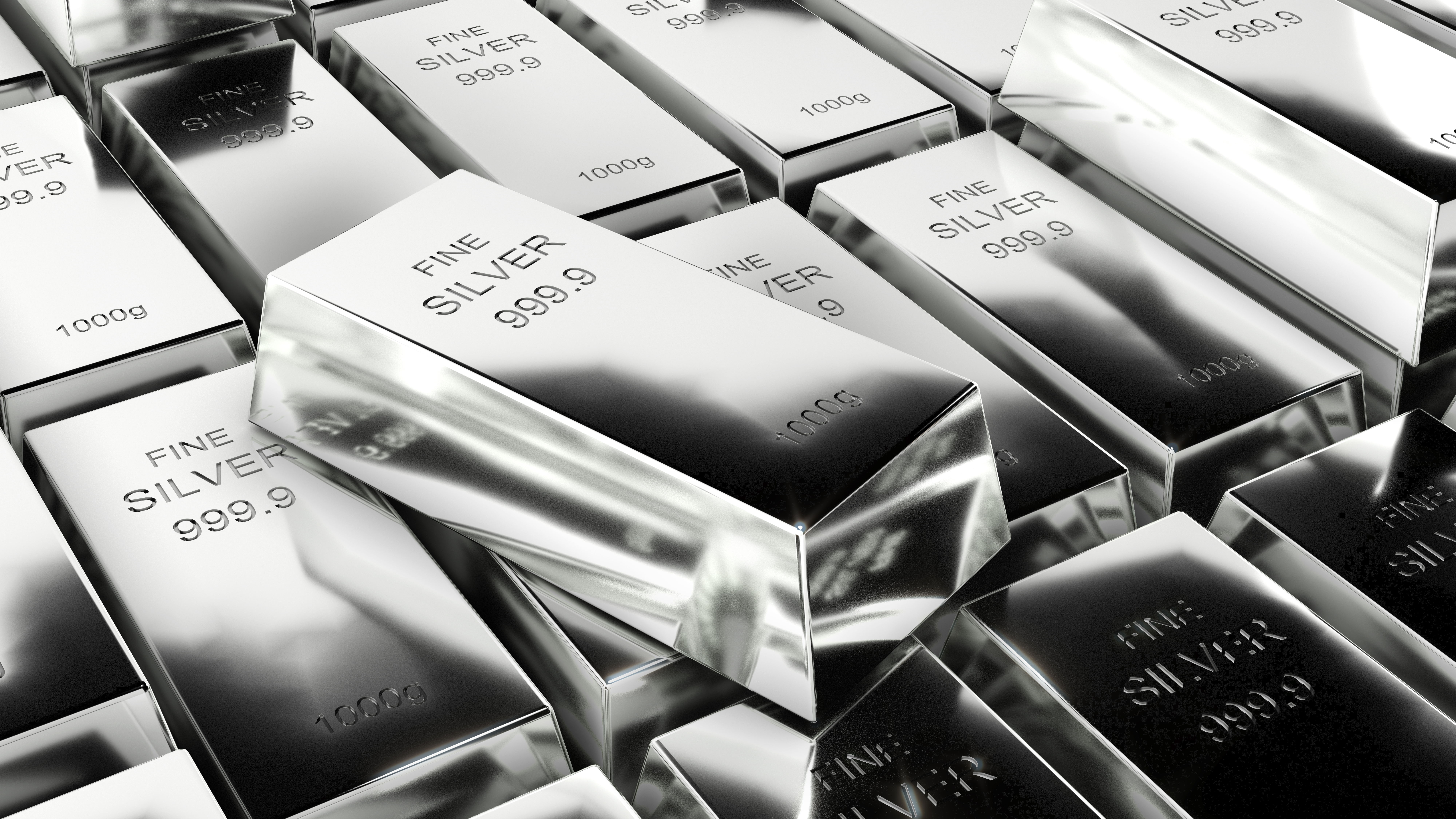
The iShares Silver Trust (SLV) is the largest physically backed silver exchange-traded fund in the U.S. market. The trust buys and stores physical silver bars in professional vaults, and each share represents a fractional ownership interest in that metal. SLV was created to give investors convenient exposure to silver prices without the burden of taking delivery, storage, or insurance.
SLV trades on major exchanges throughout the day, offers ample liquidity, and has an expense ratio of roughly 0.50% per year. It does not pay dividends, and its returns are tied directly to the spot price of silver, minus trust expenses. Because of that, SLV is both a simple instrument and a highly volatile one. Silver moves can be sudden and severe, and SLV shareholders feel every tick.
This ETF remains the go-to product for many retail and institutional investors who trade silver. However, its liquid structure also means it can experience heavy outflows in bear markets, adding to downward pressure on the metal.
## Why Did SLV Fall Nearly 60% From Its High?
Silver reached its record high in 2011, when spot prices approached nearly $50 per ounce. The rally was fueled by a combination of quantitative easing, U.S. dollar weakness, and global economic panic. SLV soared to an equivalent record above $48 per share. In the years since, the silver market has endured a long bear cycle punctuated by sharp rallies and disappointing retrenchments.
The most important reason for the decline is the dramatic shift in real interest rates. Silver is a zero-yield asset, meaning it produces no cash flow. When inflation-adjusted yields rise, investors are more inclined to hold interest-bearing assets instead of precious metals. The Federal Reserve's aggressive rate hiking cycle after the post-pandemic inflation surge made that dynamic especially painful for silver.
The U.S. dollar also became significantly stronger. Since silver is priced in dollars globally, a rising dollar makes the metal more expensive for overseas buyers, dampening demand. At the same time, global manufacturing and industrial activity slowed, and because silver is used in a wide range of industrial applications, the metal suffered from both the monetary and the industrial side of the equation.
The result is that SLV, which tracks silver's spot price, fell dramatically from its 2011 peak. Even allowing for silver's periodic rallies during the pandemic, the bull market never regained sufficient momentum to approach the old highs.
## Significant Near-Term Headwinds Remain
The description of this ETF as facing significant near-term headwinds is more than just a cliché. Silver is still wrestling with several forces that could keep SLV from recovering quickly.
### Interest Rates and the Dollar
The biggest near-term obstacle remains the path of monetary policy. If the Federal Reserve holds interest rates high, or if inflation proves stickier than expected, real yields could remain elevated. That would continue to penalize silver and other non-yielding assets. A stronger dollar would amplify the problem.
### Slower Industrial Demand
Silver's dual personality as a monetary and industrial metal means an economic slowdown can hurt it twice. Weaker housing activity reduces silver demand in construction and components, while a downturn in consumer electronics and autos pulls down fabrication demand. Unless global manufacturing improves, silver's fundamental demand growth will remain sluggish.
### ETF Outflows Could Continue
Institutional and retail investors alike have been trimming their precious metals exposure in the current rate environment. SLV has seen prolonged outflows, which means the trust must sell metal to meet redemption demand. These sales increase available supply and can keep a ceiling on prices even when the spot market attempts to rebound.
## Why Some Investors Still Want to Buy SLV
Despite the gloomy near-term backdrop, it is possible to build a credible bull case for the iShares Silver Trust. Many contrarian investors see the 60% plunge as exactly the type of extreme drawdown that creates long-term opportunities.
### Silver Remains Historically Cheap
On an inflation-adjusted basis, silver is far below its historical peaks. The real value of silver in the 1980 Hunt brothers era and the 2011 monetary panic was much higher than today's price. Long-term investors who believe in fiat currency depreciation and ongoing monetary expansion often view silver as severely undervalued.
### Structural Supply Deficits
The silver market has run a physical supply deficit in recent years. Mine production has lagged, recycling levels are modest, and demand from the green energy transition has grown. These deficits are drawing down existing silver inventories. At some point, a supply-demand imbalance could force prices to catch up with reality.
### Renewable Energy and Technology Demand
Solar panels, electric vehicles, and advanced electronics all rely on silver. The global effort to decarbonize energy systems is a once-in-a-generation demand driver. Silver paste is essential in photovoltaic cells, and on a global scale, solar installation growth translates into significant incremental silver consumption. That structural demand could eventually overwhelm cyclical headwinds.
### A Hedge Against the Next Crisis
Silver is often called poor man's gold, but its monetary attributes are real. In a crisis scenario, such as a debt default, a currency collapse, or a sudden shift in monetary policy, silver tends to outperform paper assets. Adding a small SLV allocation could serve as portfolio insurance against tail risks.
## What to Watch Before Deciding to Buy SLV
If you are considering SLV, you should monitor a few key indicators to improve your timing. Silver is a macro-driven market, and patience is essential.
- Real Treasury yields: Falling real yields are one of the most reliable bullish triggers for silver.
- Dollar index (DXY): A sustained breakdown in the dollar would likely provide a strong lift for SLV.
- Silver inventory and flows: Track SLV share issuance and redemptions. Inflows are a bullish sign; outflows are bearish.
- Global PMI data: Manufacturing purchasing managers' indexes from China, Europe, and the U.S. provide clues about industrial silver demand.
- Federal Reserve policy signals: Any pivot toward rate cuts could be the catalyst that sparks a silver recovery.
## Should You Buy the iShares Silver Trust Now?
There is no simple yes-or-no answer because SLV is not a stock, and silver is not a conventional investment. It all depends on your time horizon, risk tolerance, and belief in the long-term silver thesis.
For investors with a short-term horizon, the iShares Silver Trust still faces significant near-term headwinds. The macro forces that pushed silver lower have not fully reversed, and betting on a sharp rally in the next few months is risky. It may be safer to wait for a clear technical breakout or a fundamental catalyst such as a Fed cut.
For long-term investors who are willing to withstand volatility and potentially unfavorable technical conditions, SLV could be a speculative buy after the near 60% decline. The current price embeds a great deal of pessimism. If silver's industrial demand accelerates and monetary conditions eventually turn, the upside could be substantial. However, position sizing should be conservative, and averaging in stages makes more sense than making a huge lump-sum purchase at a single point.
It is also important to remember that SLV is a commodity trust, not an operating company. It has no earnings, no revenue, and no dividend. It is simply a vehicle for tracking silver's spot price. Therefore, investors need to believe in silver itself, not in the ETF management team.
## Final Thoughts
The iShares Silver Trust has been a painful hold for investors who bought near its peak. After falling nearly 60%, it is natural to wonder whether the pain is over. The near-term headwinds are real, and silver may still face another leg down if rates remain high and the dollar stays firm. That makes the current entry point dangerous for the impatient.
Even so, the long-term fundamental picture has bright spots. Silver's supply deficits, green-energy demand, and monetary hedge potential remain intact. For disciplined investors willing to buy when pessimism is high, SLV could offer a compelling risk-reward ratio.
Ultimately, the decision comes down to your investment strategy. If you are a patient contrarian with a high tolerance for volatility, a small position in the iShares Silver Trust after a 60% drawdown might be a reasonable bet. If you are looking for quick returns, many headwinds still make it a risky trade. Whatever you choose, remember to manage your risk, diversify, and consider how silver fits into your broader portfolio. This article is for informational purposes only and should not be interpreted as financial advice.
Published on: November 12, 2026, 12:08 pm